Autumn Treasures: Collecting and Using Natural Supplies

Autumn is an exciting time of the year for replenishing your natural supplies. Whether you are walking in the forest or along the road, the ground becomes a treasure chest for all those who look closely.

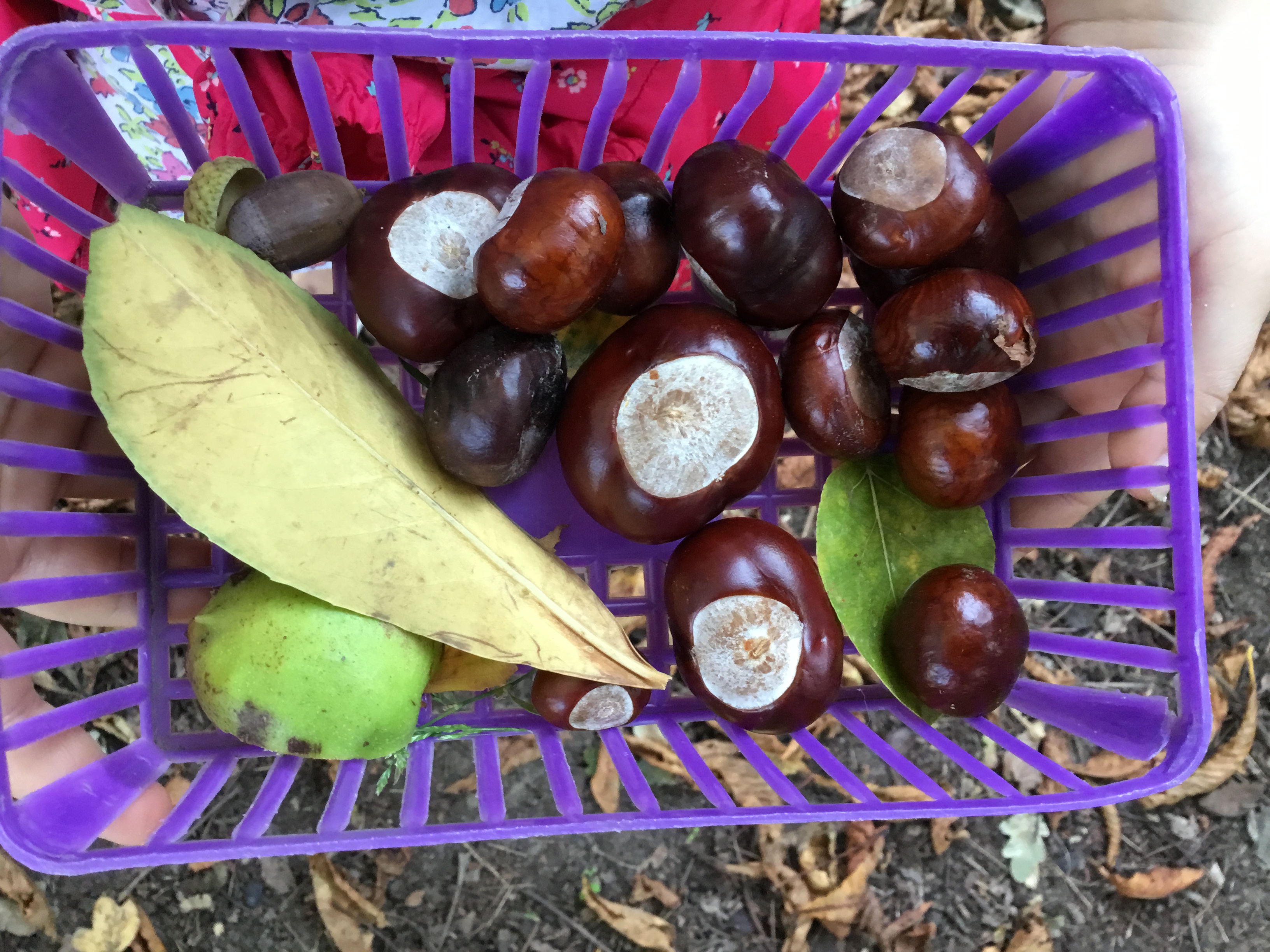
Conker picking used to be one of my favourite things to do every Autumn. As children, we would wrap up, grab a bag and splash through puddles on the way to finding the best Horse Chestnut tree in the local area. Of course, the best tree was in someone’s garden and every year they kindly turned a blind eye whilst groups of children clambered over the wall to collect the shiniest brown conkers from their lawn. It is therefore, something I look forward to doing with my class each year. Luckily we have a Horse Chestnut tree just outside of our school grounds and plenty of conkers fall on the footpath preventing the need for skirting over fences (although the neighbours did invite us into their garden one year).

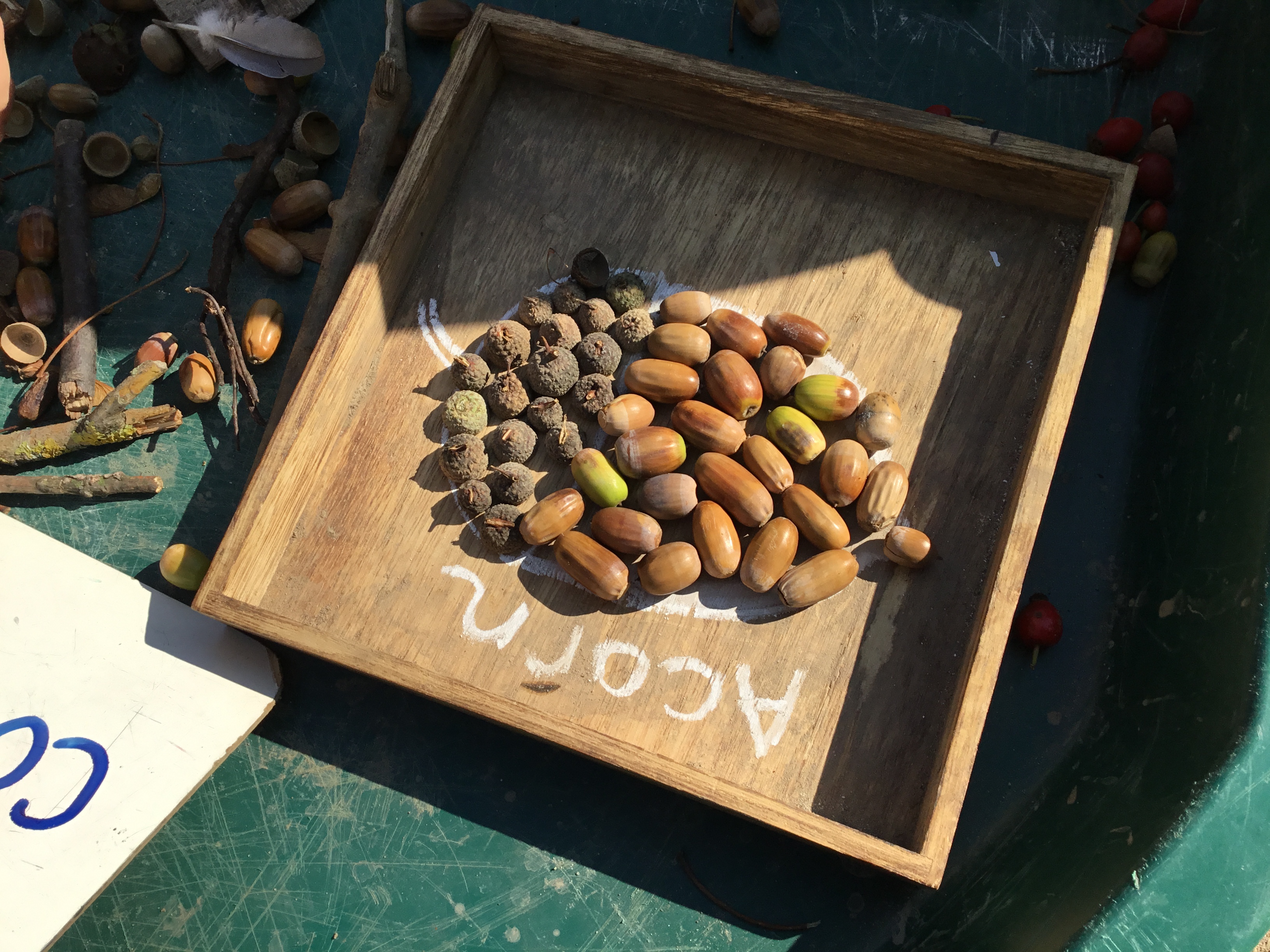
There are so many other amazing treasures to be found depending on your local environment. From pine cones to acorns, sycamore seeds to wonderfully coloured leaves, you will return with brimming buckets and excited children.

So the walk was wonderful but what now? Here are 4 ways that you can enjoy exploring your collections.

Observing and asking questions

This can of course happen whilst you are out on your walk, as children spot unfamiliar or interesting objects. If you have lots of time, you can take magnifying glasses with you and encourage children to wander slowly, noticing tiny details in nature. Listen carefully to the questions your children ask and discuss possible answers or predictions. Note down some of the questions to research together later with books or a quick Google search. If you are short on time, keep the collected objects and spend time at the beginning of the next session observing your finds and asking questions as a group.

Sorting and comparing

How many different ways can you sort the objects? By length, colour, shape, type of object, tree it fell from etc. Challenge the children to come up with as many different ways to sort the objects and see if you can guess their rule. You can also compare the different types of seeds that you found and explore how and why seeds are different to each other.

Counting and estimating

Want to explore larger numbers? Challenge the children to estimate and count how many conkers/acorns you collected. Last year we had a very competitive ‘Guess how many conkers we collected’ competition in Grade 1. Each week we gave the children a new clue, for example; showing what 100 conkers looked like, and children were invited to make a revised estimate. In the end one child estimated exactly the right number- 576!

Arts and Crafts

Arrange them, roll them, stamp them, print them; there are so many different wonderful art and craft activities that you can do with natural materials! Learn about why leaves change colour and create Autumn coloured pictures or print leaves onto air dry clay and make decorations for your shelter. It’s time to get creative, get messy, and have fun!


So there you have it, a few ways to enjoy what nature has to offer this Autumn. I wonder what you will do with your collections?
If We Chop Down This Tree, Will We Kill Our Librarian? Authentic Opportunities For Taking Measurement Outdoors

I think I can count on one hand the number of times that, as an adult, I have needed to measure a shape that is printed on a piece of paper. Research tells us that authentic learning experiences are the way forward. It suggests that enabling learners to put their skills and knowledge to practical use in a situation where the outcome has a tangible relevance to their own lives, results in far greater retention of knowledge. It’s time to get authentic with measurement. Don’t panic! The great news is that out of all of the ways to learn mathematical concepts in an outdoor environment, measurement is one of the easiest places to start. Here are six ways, which can be adapted to suit your setting, for taking measurement outdoors in an authentic way. 

Pose a Problem

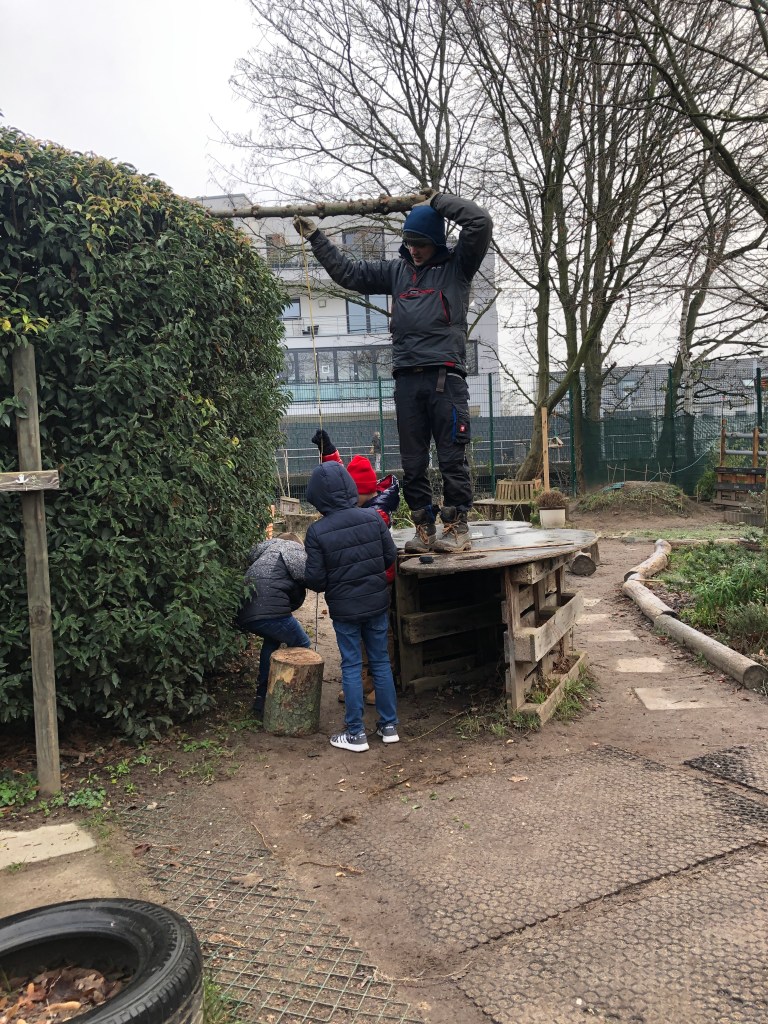
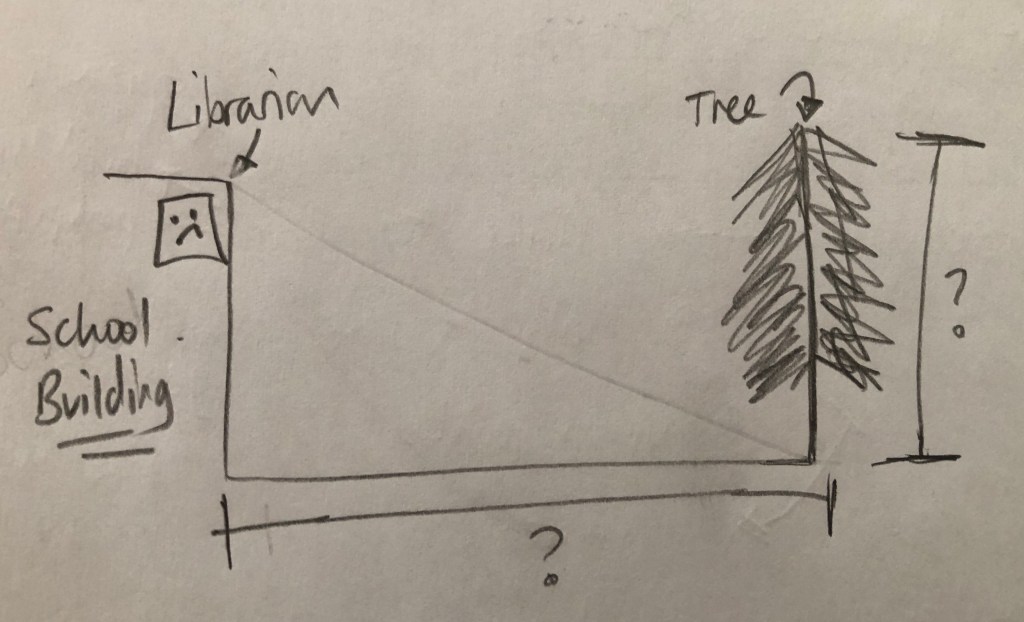
If we chop down this tree, will we kill our librarian? What do we need to calculate to make sure that Mr Crouch will be ok? Hopefully, the students will figure out that they need to measure the height of the tree and also the distance between the school building and the base of the tree. You can then use “10 ways to measure a tree” from OutdoorClassroomDay.org.uk to help you calculate your librarian’s life expectancy. With older students, and if you really want to really get into it, you could bring in some trigonometry and have the conversation about how the top of the school building is further away than the base because the hypotenuse of the triangle is longer than its base… blah, blah, maths, maths.

No librarians were harmed in the writing of this blog.

Make Stuff

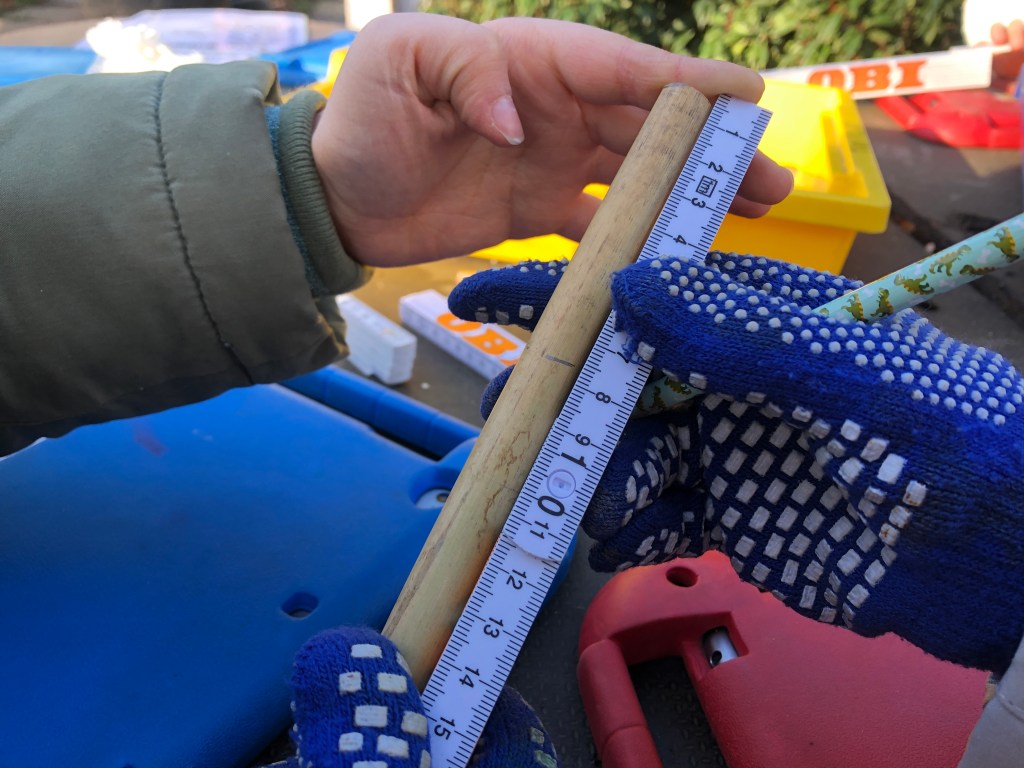
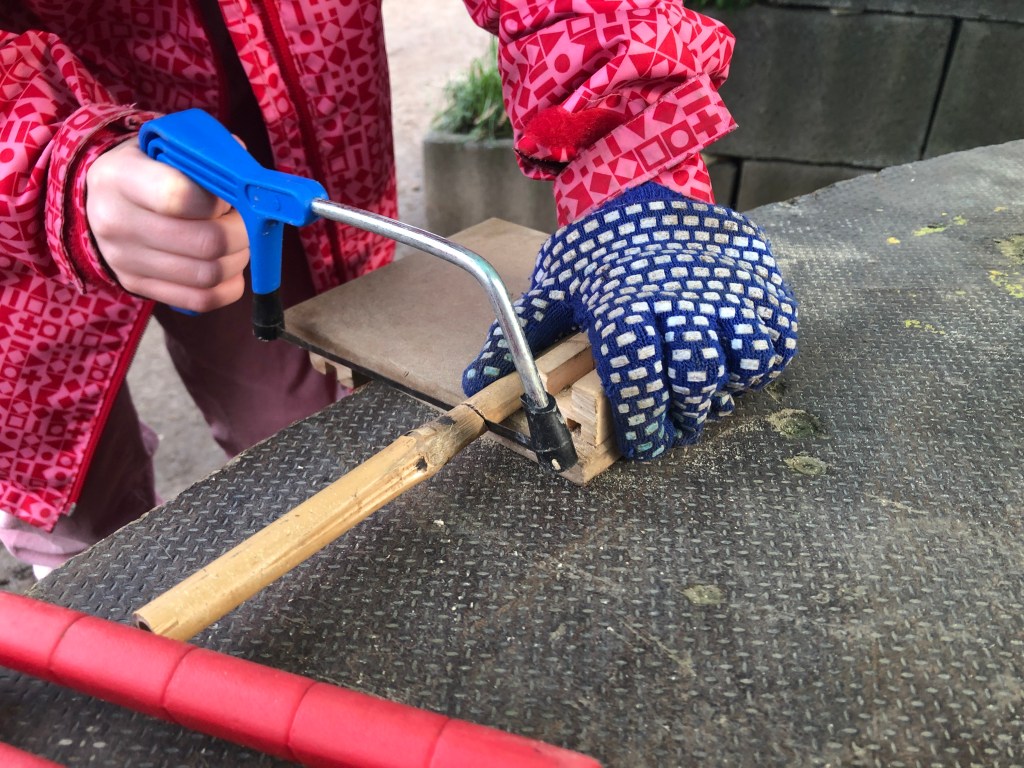
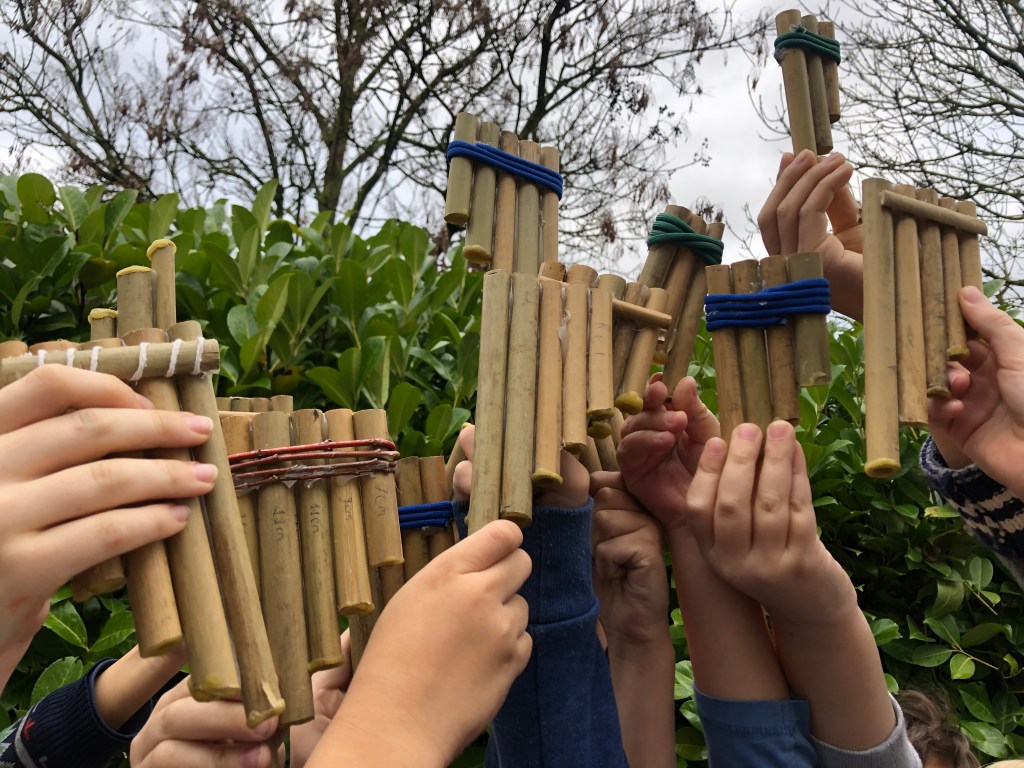
Not many things give students more motivation to improve their measuring accuracy than having a hands-on project to work on. From bamboo panpipes and birdhouses to wooden spinners and raised beds. It doesn’t really matter what you create as long as you prepare yourself to make the most of the activity through the lens of measurement. Using the phrase “measure twice, cut once” is useful when encouraging students to focus on their accuracy.

Find a Purpose

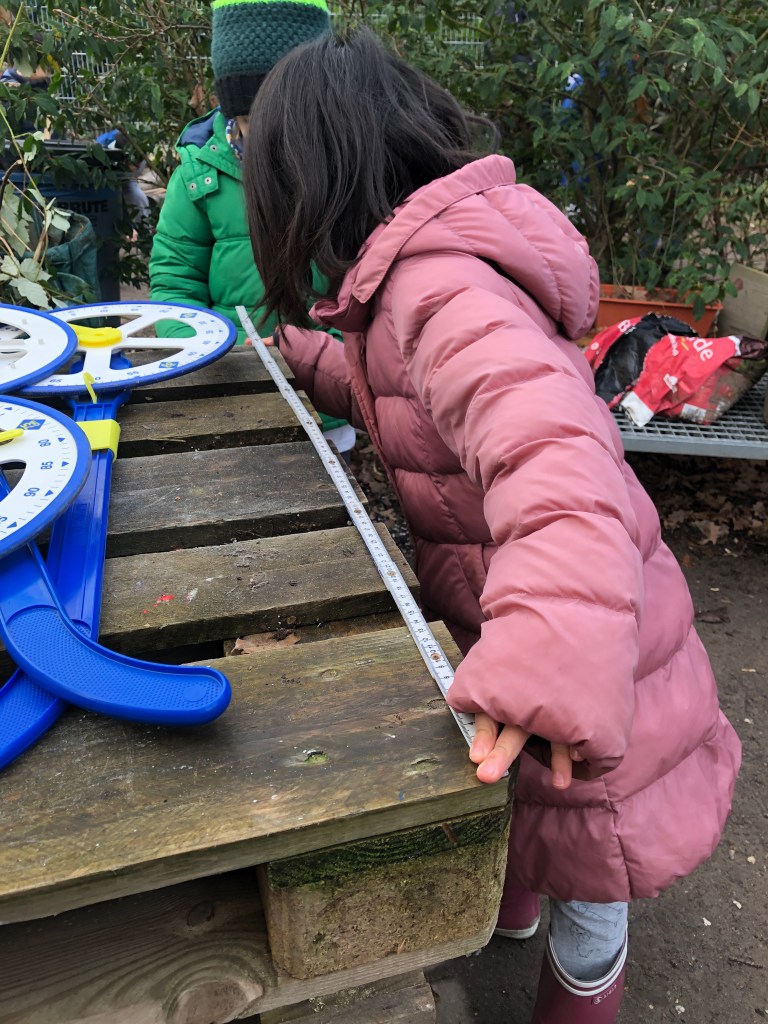
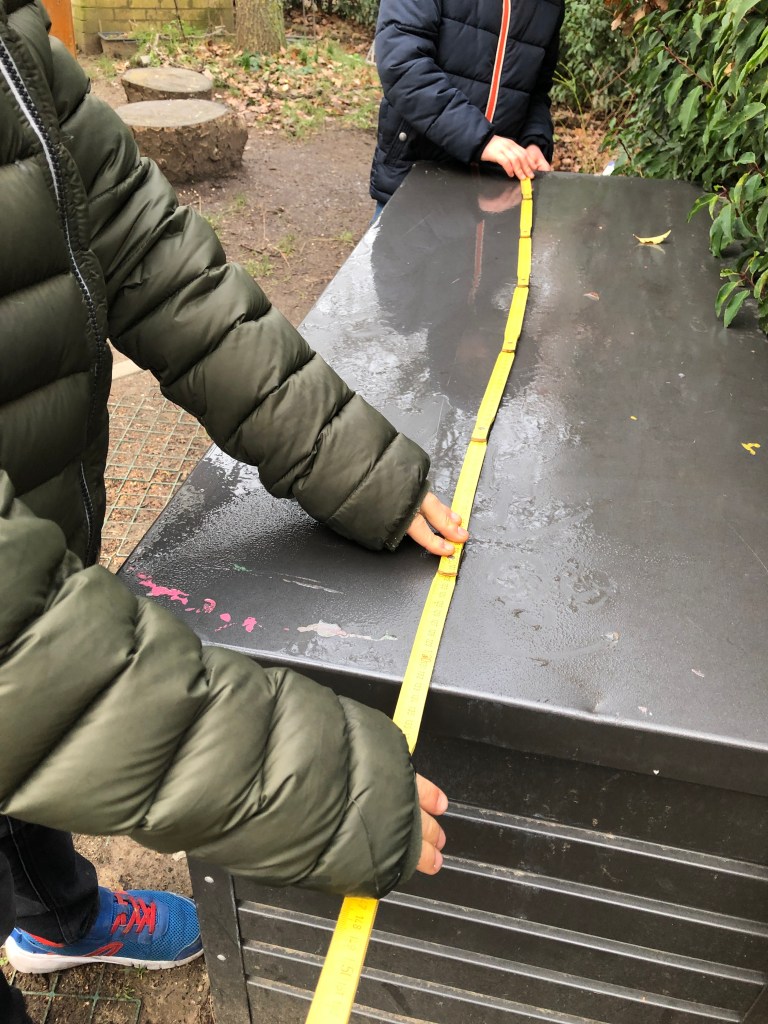
Recently, we were contacted by another international school who are in the process of developing their outdoor learning space. They wanted to know the height of our tables and also the size of our student-friendly rakes. What followed was a task for our 2nd grade students where they had to measure and record a variety of objects in our space. Sometimes in centimetres, sometimes metres and sometimes a mixture of the two. Everything was measured, from the height of bushes to the length and width of our entire space. Some students even moved onto finding the perimeter of the planters in our vegetable garden. It’s safe to say that the inquiring international school received slightly more information back than they asked for. In summary, find a task that has an authentic purpose and see where it takes you!

Magic Number

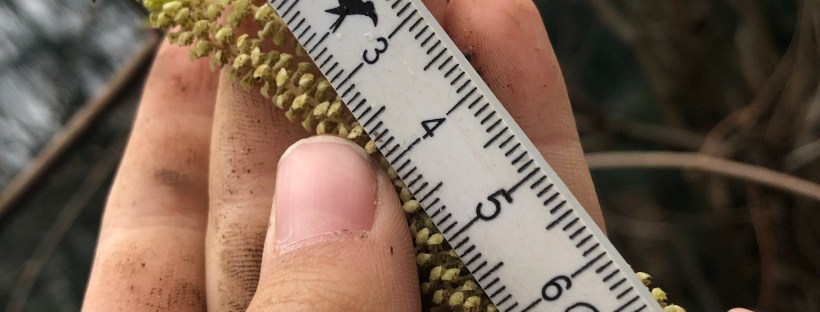
Using a thermometer in your outdoor space (insert reading scales discussion here if necessary), find the day’s temperature to the nearest degree in celsius. This is your magic number. Send your students out into the space armed with measuring tools and challenge them to find objects that are the same length in centimetres as the magic number. For example, if the day’s temperature is 7 degrees, students are looking for objects that have a dimension of 7cm. This can be a very different task depending on the season. If you’re in a country which favours fahrenheit over celsius, then it’s going to look very different again.

This activity is one of our favourites because it offers a switch around in the focus of measurement. Instead of measuring one object to find its length, students need to measure lots of objects in their search for the elusive magic number. Use it as a starter and extend it as you wish.

Plant Things

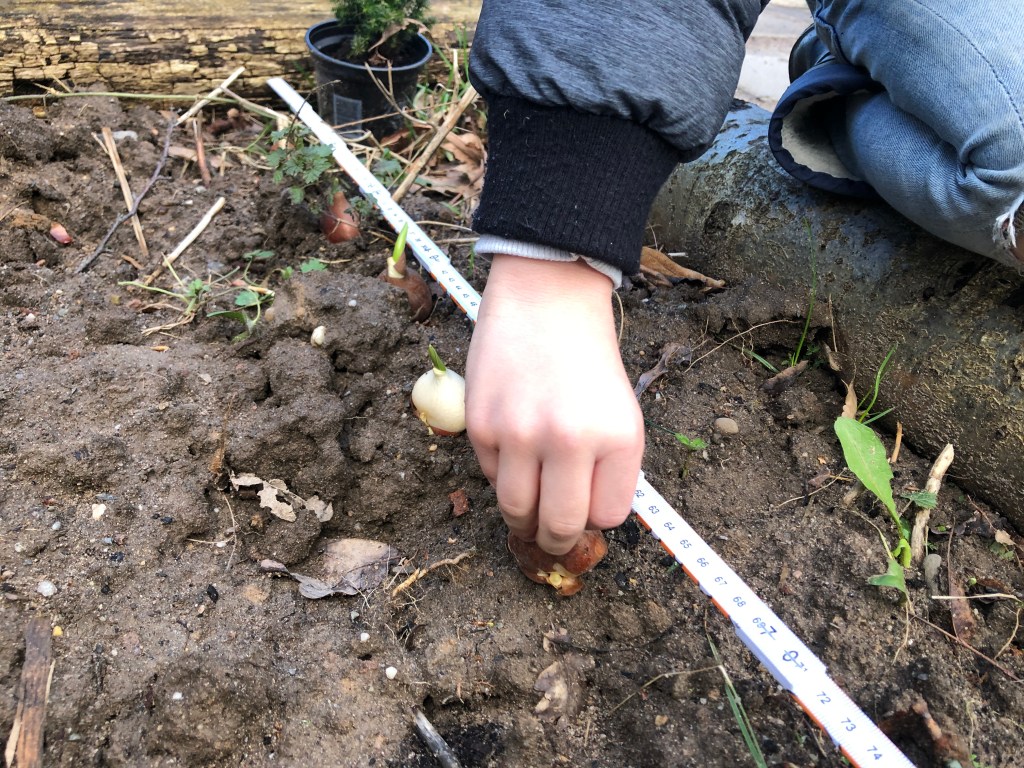
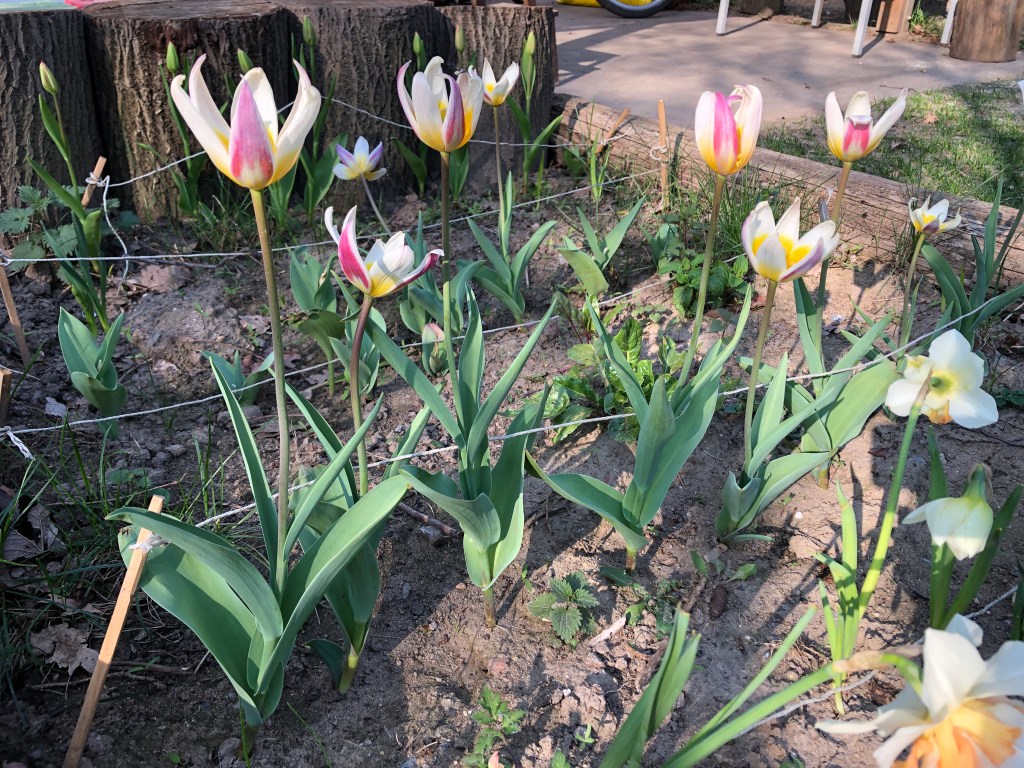
Here’s an idea for those among us who have higher OCD tendencies. Incorporate measurement into whatever you’re planting and the result can be a wonderfully ordered vegetable bed or flower garden. This year, we spaced our tulip bulbs 10cm apart. Unfortunately, with all of our students being at home during Covid-19 lockdown, the closest they got to their beautifully spaced flowers was seeing a picture of them!

Measuring can also come into play when comparing the height of growth. This came in particularly handy during the aforementioned lockdown. Those of you who read the blog post about our Home Learning a couple of weeks ago will know that we sent bean seeds home when everything kicked off a couple of months. Keeping track of growth and comparing this during our ZOOM meetings has been part of our Home Learning process.

Get Your Game Face on

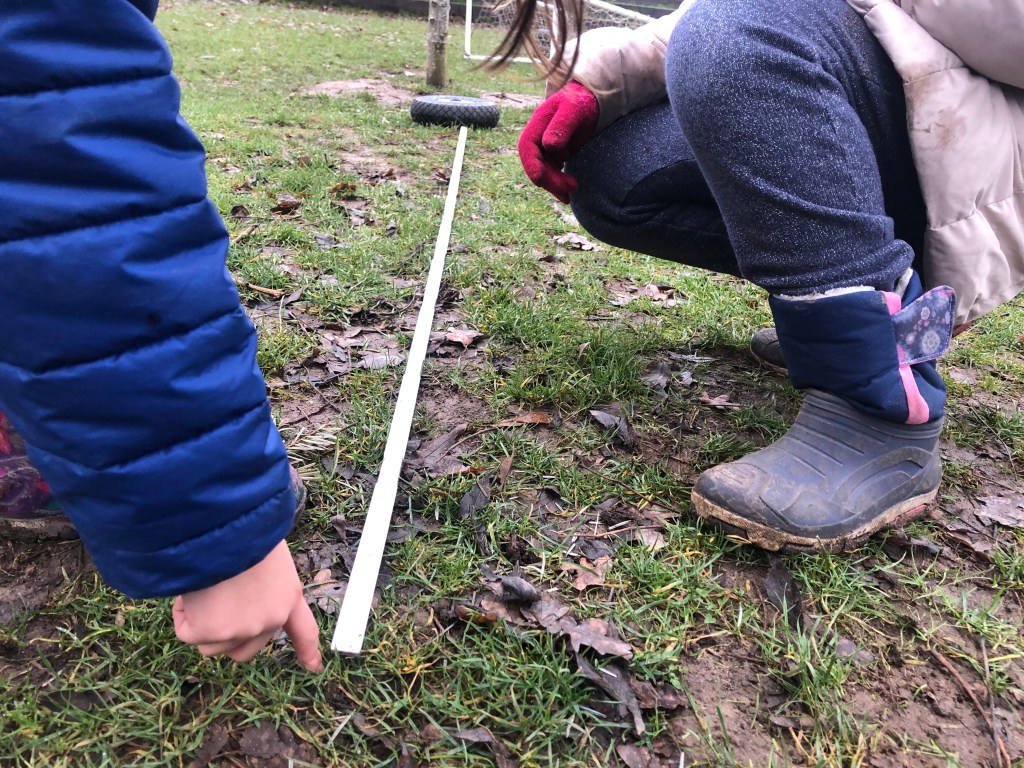
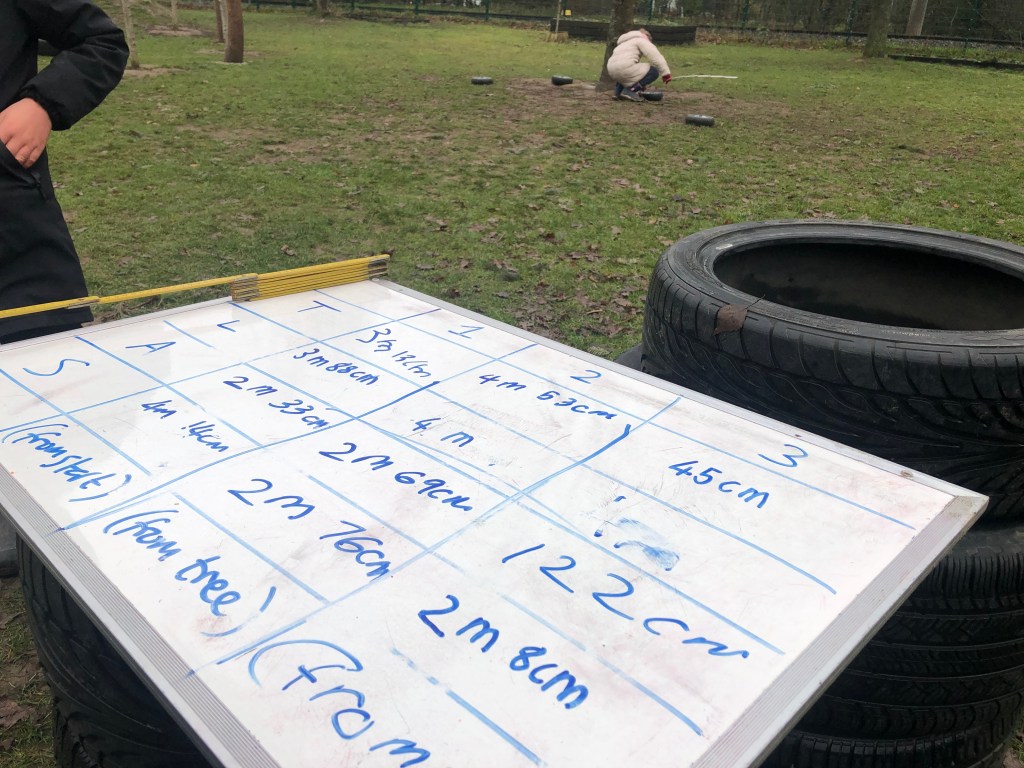
In a similar way to making projects, measurement can be found in a whole host of different games. We have some tyres lying around as loose parts which we use to play a boules-type game. Standing behind a start line, players throw or roll their tyre to try and make it finish closest to the jack or marker. The measurement aspect comes in when it’s too close to call. This can be a good opportunity to discuss standard versus non-standard units. If you’re going to wind students up by suggesting that certain players are “false measuring” to try and win, be sure to appoint a referee whose decision is final. This is a great technique to encourage accuracy, checking and rechecking measurements.


So there you have it, six ways to incorporate measurement into your outdoor space. The bottom line is that measurement can be found in almost anything you’re doing, so just be aware and don’t miss the learning opportunities! And if you do miss them, give yourself a break and catch them next time! Stay safe and stay healthy.